Egypt City Heritage Guides
Cairo, Luxor, Aswan and Alexandria each offer a distinct relationship with Egypt's ancient past. This guide outlines what makes each city significant for heritage visitors and which districts and sites deserve your time.
Egypt's four main heritage cities are separated by hundreds of kilometres and represent profoundly different contexts for understanding the ancient world. Cairo is a 21st-century megacity that happens to sit adjacent to the most famous monuments on earth. Luxor is a town of 500,000 on the site of ancient Thebes, one of the most archaeologically dense urban environments anywhere. Aswan marks the historical boundary between Egypt proper and Nubia, and its gentle pace makes it one of the most pleasant bases for extended study. Alexandria is the Mediterranean city that was once the intellectual capital of the ancient world — a place whose heritage is largely invisible underground but whose significance was extraordinary.
Cairo is the arrival point for most Egypt visitors and a city that rewards attentive observers at every scale. The heritage landscape immediately visible from the Giza Plateau — pyramids, the Sphinx, the new Grand Egyptian Museum — represents the Old Kingdom world of 2500 BCE. Twenty minutes' drive east, in the Islamic Cairo district (specifically the area around Al-Muizz Street, a UNESCO World Heritage zone), medieval monuments from the Fatimid, Mamluk and Ottoman periods crowd along streets unchanged in layout since the 10th century. The Coptic Cairo district — centred on the Babylon Fortress and the Hanging Church — represents yet another stratum, connecting Egypt's Christian heritage to a community that predates the Islamic conquest by six centuries.
For heritage visitors, the key decision in Cairo is which layers to prioritise and how long to allocate. Most visitors spend two to three days, which is sufficient for the GEM, the Giza Plateau and either Islamic or Coptic Cairo. A full Saqqara day adds a fourth or fifth day. We recommend starting with the Saqqara and Giza programmes before the museum visits, so that the objects you see in the GEM and the Cairo Museum have a landscape and a physical context behind them.
Modern Luxor is built directly on ancient Thebes, Egypt's New Kingdom capital and for much of the second millennium BCE the most important city on earth. The concentration of monuments here is unlike anything elsewhere in the world: the Karnak Temple Complex, Luxor Temple, the Luxor Museum, the Valley of the Kings, the Valley of the Queens, the Tombs of the Nobles, Deir el-Bahari, Deir el-Medina, the Colossi of Memnon, the Ramesseum, Medinet Habu — all within a radius of 15 kilometres from the town centre.
The town divides naturally along the Nile. The East Bank is modern Luxor — the hotels, the restaurants, the Corniche, and the two great temples. The West Bank is ancient Thebes — the royal necropolis, the artisan village, the mortuary temples. The contrast between the two banks is one of the most instructive things about Luxor: the living city and the city of the dead, separated by the river as the ancient Egyptians intended them to be. Our East Bank and West Bank day programmes can be combined across two days for a comprehensive Luxor experience.
Aswan occupies a position of enormous historical significance at the first cataract of the Nile — the traditional boundary between Egypt and Nubia and a point of strategic and commercial importance from the earliest dynasties through the 20th century. The Aswan High Dam, completed in 1970, transformed the southern landscape by flooding the ancient Nubian homeland to create Lake Nasser, one of the largest artificial reservoirs in the world. The UNESCO salvage operations that preceded the flooding — which included the relocation of Abu Simbel, Philae, Kalabsha temple and more than twenty other monuments — were the most significant international heritage preservation effort of the 20th century.
Aswan itself is more relaxed than Cairo or Luxor, and many visitors find its slower pace a welcome transition. The town sits on the east bank facing a series of islands; Elephantine Island contains the ruins of ancient Abu (the original Aswan settlement) and is easily reached by boat. The Aga Khan Mausoleum on the west bank opposite the town is a striking 20th-century building in a Fatimid style with a panoramic view. The Nubian Museum is one of Egypt's best curated collections. The Aswan Botanical Garden, on Kitchener's Island, was established by Lord Kitchener in the late 19th century with plants from across the former British Empire and remains a pleasant contrast to the stone and dust of the surrounding sites.
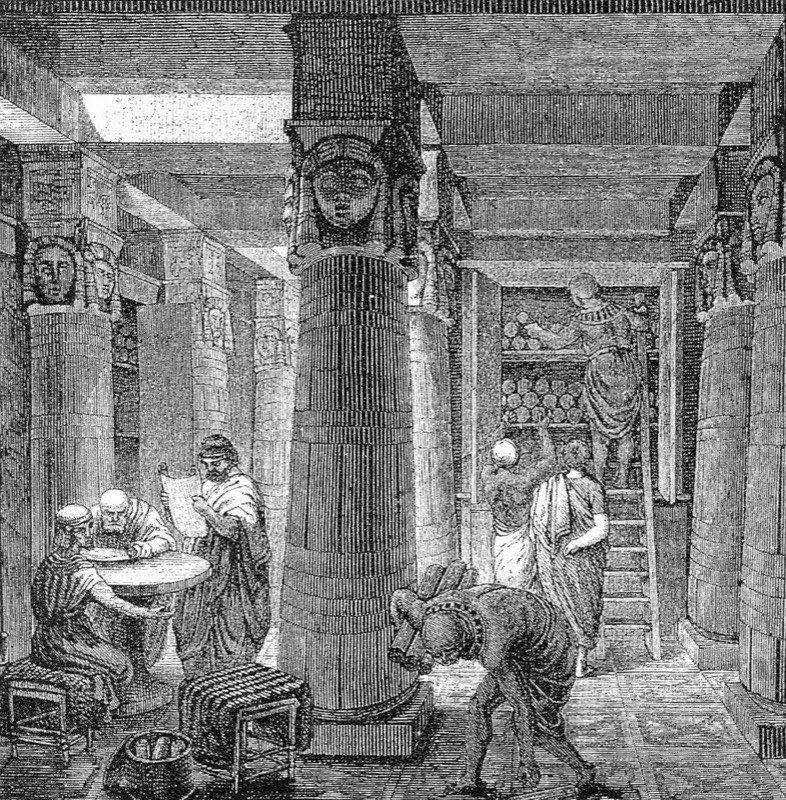
Alexandria presents a particular challenge for heritage visitors: most of the ancient city is underground, beneath the modern urban fabric, accessible only through fragments visible at the few sites that have been excavated and opened. The ancient Royal Quarter — where the Ptolemaic court, the Museum (the original Mouseion, precursor of the Library) and the Sema (burial of Alexander the Great) were located — lies beneath the Eastern Harbour area. Much of it has been excavated only partially or is known only from ancient literary sources.
What is visible is genuinely impressive. The Catacombs of Kom el Shoqafa represent the largest known Roman funerary complex in Egypt, combining pharaonic, Greco-Roman and Egyptian religious iconography in a subterranean labyrinth of three descending levels. The Bibliotheca Alexandrina, while modern, is built on or near the ancient library site and houses important collections including digitised ancient manuscripts. The Pompey's Pillar area marks the Serapeum — once a major temple complex — and the Qaitbay Citadel on the Eastern Harbour tip is built on the site of the ancient Pharos lighthouse, one of the Seven Wonders of the ancient world. Our Alexandria programme navigates all of this thoughtfully. See day tour details for the full itinerary.
Egypt's intercity transport options are better than many visitors expect. Cairo to Alexandria by train takes approximately two and a half hours on the Intercity express services from Ramses or Sidi Gaber stations. Cairo to Luxor is approximately 10 hours by overnight sleeper train (a comfortable and practical option) or a 70-minute flight. Luxor to Aswan is approximately 3 hours by express train or 2.5 hours by minibus along the west bank road — the train is recommended for comfort and views.
We do not include transport between cities in our programme fees, as most visitors combine heritage touring with their own accommodation and routing choices. We are happy to advise on transport options as part of the itinerary planning conversation. For general practical tips including transport, safety and local customs, see our visitor tips page.
Our multi-day Nile Corridor itinerary links Cairo, Luxor and Aswan with a single travelling guide. Contact us to discuss dates, pacing and which cities to prioritise.