Understanding Egypt's Museum Collections
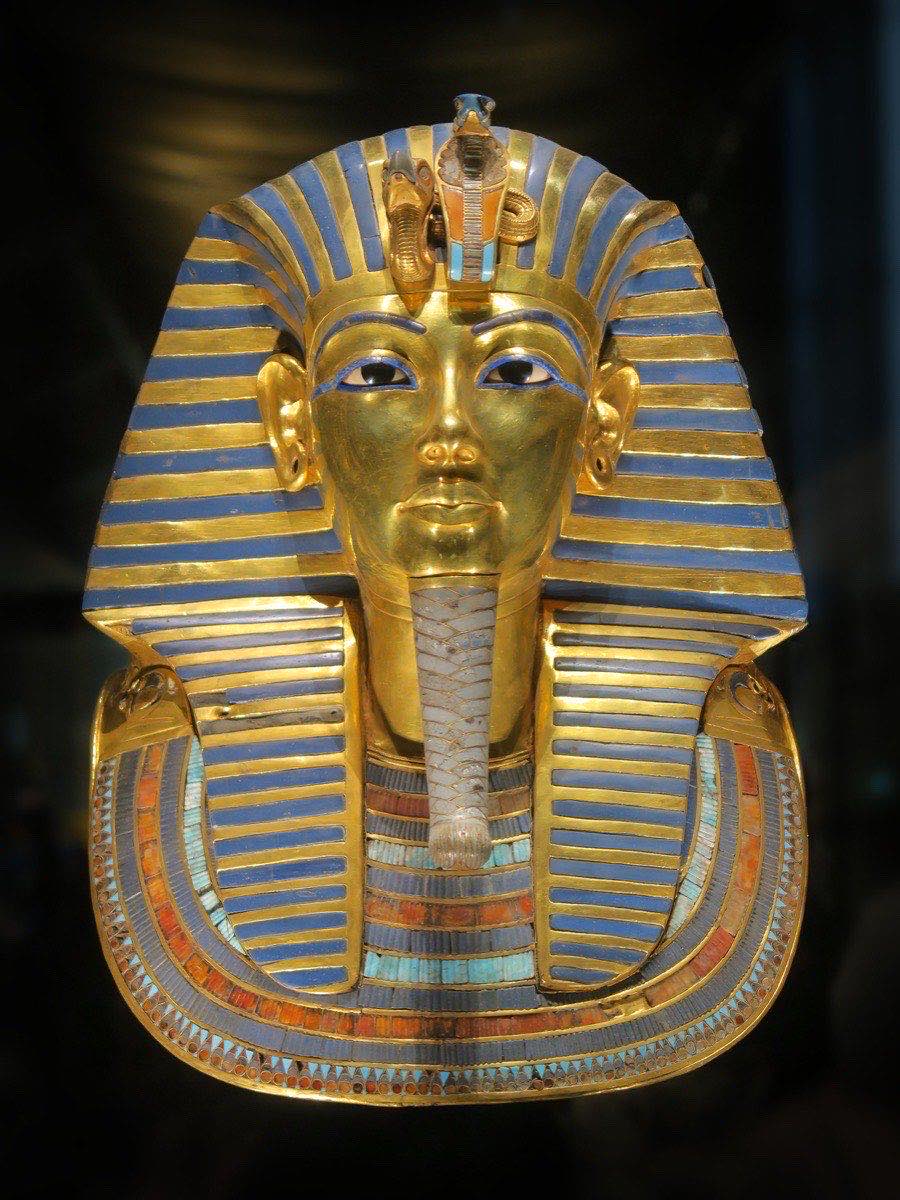
Egypt's museum system has undergone enormous change in the past decade. The relocation of the Tutankhamun treasure and hundreds of thousands of other artefacts to the Grand Egyptian Museum at Giza marks the largest museum transfer operation in history, while several regional museums have expanded and modernised significantly. Knowing which museum to prioritise — and which galleries to focus on — depends entirely on what you want to understand about ancient Egypt.
This guide is organised to help you make those choices. For each museum we provide practical information alongside an honest assessment of what the collection's strengths are and what level of prior knowledge gives you the best experience. If you are planning a visit with us, we hold detailed briefing notes for all museums listed here.
Grand Egyptian Museum (GEM), Giza
The world's largest archaeological museum, opened progressively from 2022, houses over 100,000 artefacts across galleries covering every major period of Egyptian civilisation. The Tutankhamun halls — 11 rooms dedicated to objects from his tomb — are the centrepiece, but the collections range from pre-dynastic pottery through the Ptolemaic and Roman periods. The GEM requires at least four hours to navigate meaningfully; a full day is recommended for the complete collection.
Opening hours: 09:00–17:00 daily (last entry 15:30). Entry: EGP 350–750 depending on gallery access. Location: King Salman Bin Abdulaziz Al Saud Road, Giza Plateau, near the Sphinx.
Egyptian Museum, Tahrir Square, Cairo
The pink neoclassical building on Tahrir Square has been Egypt's primary museum since 1902. Although the Tutankhamun treasure has transferred to the GEM, the Cairo Museum retains the Royal Mummy Room — 22 royal mummies including Ramesses II, Seti I and Hatshepsut — as well as one of the world's finest collections of Middle Kingdom wooden models, painted coffins and the Yuya and Thuya treasure. The building itself, now listed for heritage renovation, is part of the experience.
Opening hours: 09:00–17:00 daily. Entry: EGP 200 general; EGP 500 Royal Mummies Room. Location: Tahrir Square, Downtown Cairo.
Luxor Museum
Opened in 1975 and expanded in 2004, the Luxor Museum is often described by Egyptologists as the best-curated museum in Egypt for the quality of its presentation. Its collection is focused and deliberately selective — approximately 300 objects of exceptional quality, each displayed with space and context. Highlights include the Cache of Luxor statues unearthed beneath the Luxor Temple court in 1989, two royal mummies (Ahmose I and Ramesses I), and a series of New Kingdom painted wall blocks. A guided visit here rewards concentrated attention in a way that larger collections cannot.
Opening hours: 09:00–13:00 and 17:00–21:00 (hours vary seasonally). Entry: EGP 160. Location: Corniche el-Nil, Luxor.
Nubian Museum, Aswan
The Nubian Museum tells a history that Egypt's major collections largely omit: the civilisations of ancient Nubia and their complex relationship with pharaonic Egypt. The collection covers Nubian prehistory, the Kingdom of Kush, the Kerma culture, and the Meroitic period, alongside extensive documentation of the UNESCO salvage campaigns that preceded the flooding of Lake Nasser. The building itself, designed by Egyptian architect Mahmoud el-Harasany, received the Aga Khan Architecture Award in 2001. The garden contains fragments of relocated Nubian monuments saved from the rising waters.
Opening hours: 09:00–13:00 and 17:00–21:00. Entry: EGP 120. Location: Abtal el-Tahrir Street, Aswan.
Mummification Museum, Luxor
A small but genuinely interesting specialist museum on the Luxor Corniche, dedicated entirely to the ancient Egyptian practice of mummification. Exhibits cover the materials, tools and procedural steps involved in the embalming process, including actual mummified animals alongside human examples. The museum is well-presented in English and Arabic and is usually uncrowded, making it a pleasant complement to a day on the East Bank. Allow 60–90 minutes. Entry EGP 80.
Imhotep Museum, Saqqara
Located within the Saqqara archaeological zone, the Imhotep Museum opened in 2006 to display objects excavated at Saqqara that are not transferred to Cairo. Named for the architect of Djoser's step pyramid, it contains decorated wooden coffins from the Late Period, ushabtis, amulets and painted masks of exceptional quality. Visiting it in combination with the Saqqara site itself — seeing objects in context alongside the structures they came from — is a highly recommended pairing. Entry is included in the Saqqara complex ticket.
Practical Advice for Museum Visits in Egypt
Photography policies vary significantly between institutions. At the Grand Egyptian Museum, photography without flash is permitted in most galleries. At the Cairo Egyptian Museum, photography fees have historically applied to some areas, though policy is reviewed periodically. The Royal Mummy Room prohibits all photography. Always check current policy on arrival, as rules change.
Museum cafes and restaurants vary enormously in quality. The Grand Egyptian Museum has a full-service restaurant and cafe of reasonable quality. At other museums, we recommend eating before or after rather than relying on in-museum catering. The Luxor Corniche has numerous restaurants within easy walking distance of both the Luxor Museum and the Mummification Museum.
Bag checks and security screening apply at all major museums. Liquids in containers over 0.5 litres are often prohibited in gallery spaces, though exceptions are sometimes made for medical purposes. Guided access with Nile Heritage Guides means your guide is familiar with the current entry procedures at each museum and can manage the process smoothly.
For detailed guided programmes at any of the museums listed here, see our services page or explore our day tour options.